
Property transaction data supports a wide range of commercial, analytical, and policy applications. By examining individual sales records rather than suburb-level summaries, organisations can gain deeper insight into property values, market activity, and housing demand.
Below are key use cases across industries.
Table of Contents
Jump ahead ↓Property & Real Estate Industry
1. Development Feasibility & Site Assessment
Historical transaction data can be analysed to better understand local market conditions before committing to new projects.
Transaction data helps:
-
assess achievable sale prices in specific locations
-
understand price variation across streets or precincts
-
evaluate demand for different dwelling types
-
benchmark comparable developments or property types
Primary users
-
property developers
-
development advisory firms
-
real estate investment groups

2. Market Intelligence & Investment Strategy
Investors use property sales data to understand how markets behave across suburbs, precincts, and property segments.
Transaction data supports analysis of:
-
price movements across suburbs
-
emerging growth areas
-
transaction activity across different property types
-
differences between local property markets
Primary users
-
property investment funds
-
buyers agents
-
property research teams
3. Comparable Sales & Valuation Analysis
Transaction-level data is essential for identifying comparable sales and supporting valuation assessments.
Analysts can examine:
-
recent comparable sales in specific locations
-
price variation within suburbs
-
how property attributes influence sale prices
-
market benchmarks for valuation models
Primary users
-
property valuers
-
real estate agencies
-
advisory firms
-
valuation platforms
4. Portfolio Performance Benchmarking
Institutional investors and asset managers can compare property portfolio performance against broader market activity.
Transaction data enables organisations to:
-
benchmark asset values against local transactions
-
monitor price movements across regions
-
assess geographic exposure within portfolios
-
identify markets outperforming or underperforming
Primary users
-
real estate investment trusts (REITs)
-
institutional investors
-
asset managers

Finance Industry
5. Mortgage Risk Monitoring
Lenders use transaction data to monitor property market conditions and assess collateral risk.
Sales data can help identify:
-
changes in property values within loan portfolios
-
declining transaction activity in specific areas
-
localised market volatility
-
potential risk concentrations within mortgage books
Primary users
-
banks
-
mortgage lenders
-
credit risk teams
6. Automated Valuation Models (AVMs)
Transaction-level sales data provides the foundation for property valuation models used across lending and risk assessment.
It helps train models that estimate:
-
property market value
-
price relationships between comparable properties
-
property price movements over time
Primary users
-
banks
-
fintech lenders
-
proptech valuation platforms
Government & Public Sector
7. Housing Market Monitoring
Government agencies use transaction data to track changes in housing markets and affordability.
This analysis supports monitoring of:
-
housing affordability trends
-
regional housing activity
-
price changes across suburbs
-
differences between housing types
Primary users
-
housing policy teams
-
planning departments
-
economic research units
8. Infrastructure & Urban Planning
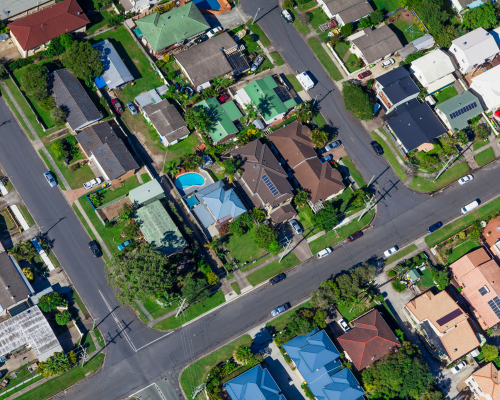
Property transaction patterns can reveal where cities are growing and how housing demand is shifting.
Transaction data helps planners understand:
-
areas experiencing increased housing activity
-
emerging residential growth corridors
-
changes in housing density
-
demand patterns across suburbs
Primary users
-
state planning agencies
-
infrastructure authorities
-
local councils
Data & Technology Industry
9. Data Product Integration
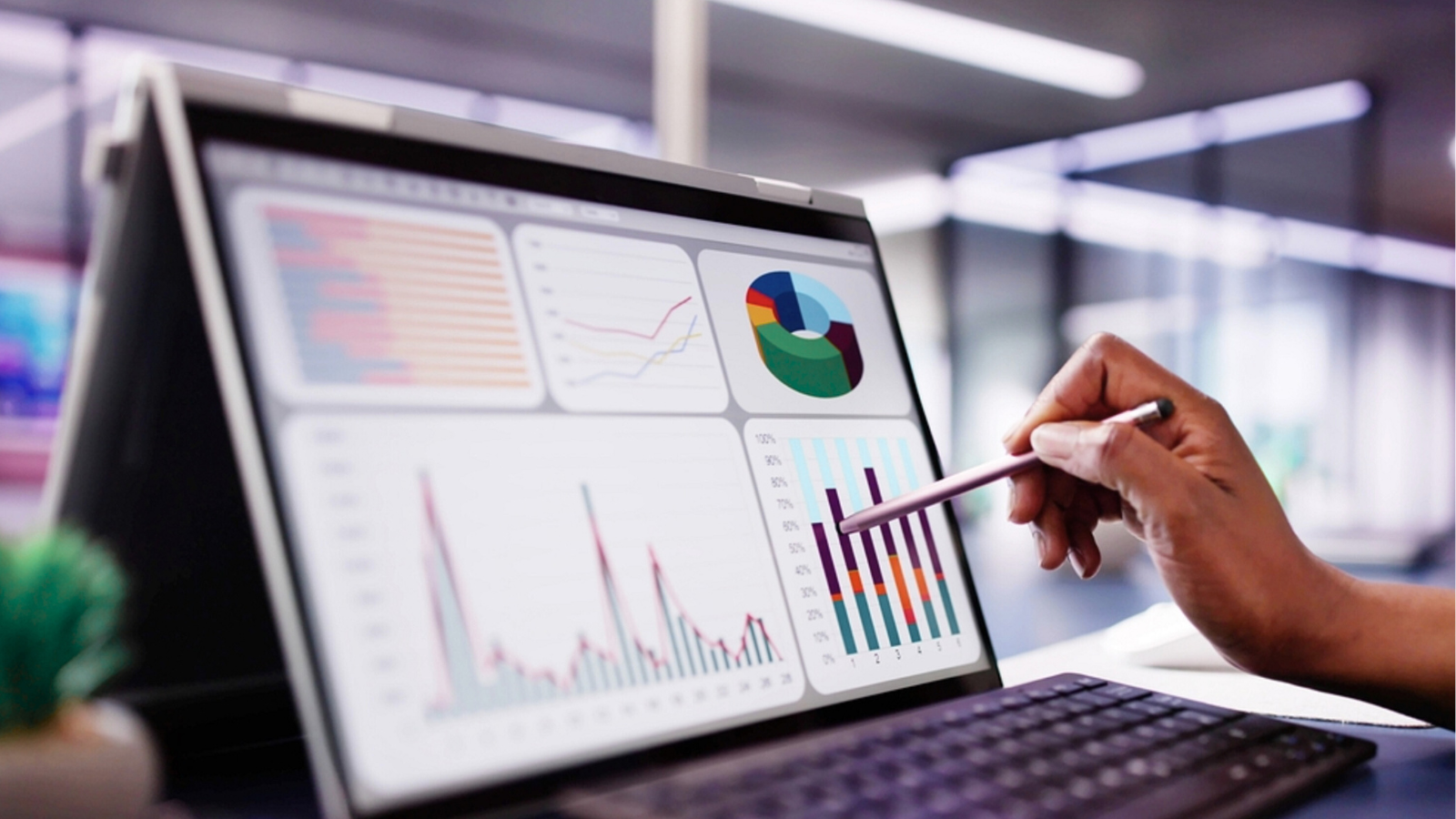
Property transaction datasets can be integrated into digital platforms to power analytics and market insights.
Examples include:
-
property market dashboards
-
suburb research tools
-
investment analysis platforms
-
real estate analytics applications
Primary users
-
proptech companies
-
analytics vendors
-
data platforms
NSW Property Sales Data
Data Army Intel offers NSW Property Sales Data on the Snowflake Marketplace. Updated weekly, it keeps you aligned with the latest property transactions and market movements.
More Intel from Data Army





Intel In Your Inbox
Sign up to our newsletter and receive our latest knowledge articles, practical guides and datasets.